
Hello readers! My name is Aspen-Arts and today I call upon fans of “Epic: The Musical” to sit and look deeper into the meaning and mythology of one of its most popular songs.
“Epic: The Musical” is a musical adaptation of Homer’s “The Odyssey” by Jorge Rivera-Herrans. The musical gained popularity thanks to little snippets of songs being uploaded on TikTok with the full songs being released on YouTube and Spotify. One of the most popular songs is from the Ocean Saga, titled “Ruthlessness.” In the song, Poseidon, god of the ocean, drowns Odysseus’s fleet to avenge the blinding of his son, Polyphemus. Poseidon harshly reminds Odysseus that “ruthlessness is mercy upon ourselves”. “Ruthlessness” is considered one of the most well-known songs in the musical, with many fans claiming it is their favorite. What fans don’t realize is that ruthlessness isn’t just a trait Poseidon had in an Odyssey musical. It was, in fact, a core feature with the Greek Gods when it came to punishing those who displeased them, as revealed in the following tales.
PROMETHEUS
One of the earliest examples of the punishment from the gods is the story of Prometheus. Prometheus was one of the Titans who first created humans. During a meeting between the gods and humans to discuss how to divide sacrifices, Prometheus killed a bull and wrapped the meat with the stomach while covering the ox’s bones with the fat. He told Zeus to pick the best tribute for the gods, and Zeus picked the fat. From then on, humans were able to feed on the best meat while offering bones and fat to the gods.
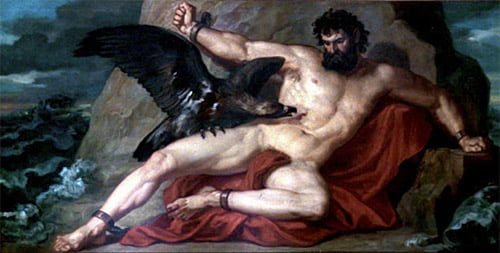
This trick angered Zeus, and he took away the fires as punishment for the mortals. Prometheus went up to Mount Olympus and stole the fire back for the mortal humans. Zeus was enraged for being tricked twice and had Prometheus chained to a cliff where an eagle would fly down and tear out Prometheus’s liver every day, and Prometheus would regrow his liver every night. Thus, a cycle of torture that would repeat day after day until Heracles freed Prometheus from his torture thousands of years later.
ACTAEON
Actaeon was said to be a Theban hero and student of Chiron the Centaur. However, he is more known for the time he angered one of the goddesses and suffered a gruesome fate. Actaeon was a skilled hunter who owned many hunting dogs that joined him on his hunting trips. One fateful hunting trip, Actaeon came upon a pool where he found Artemis and her followers bathing.
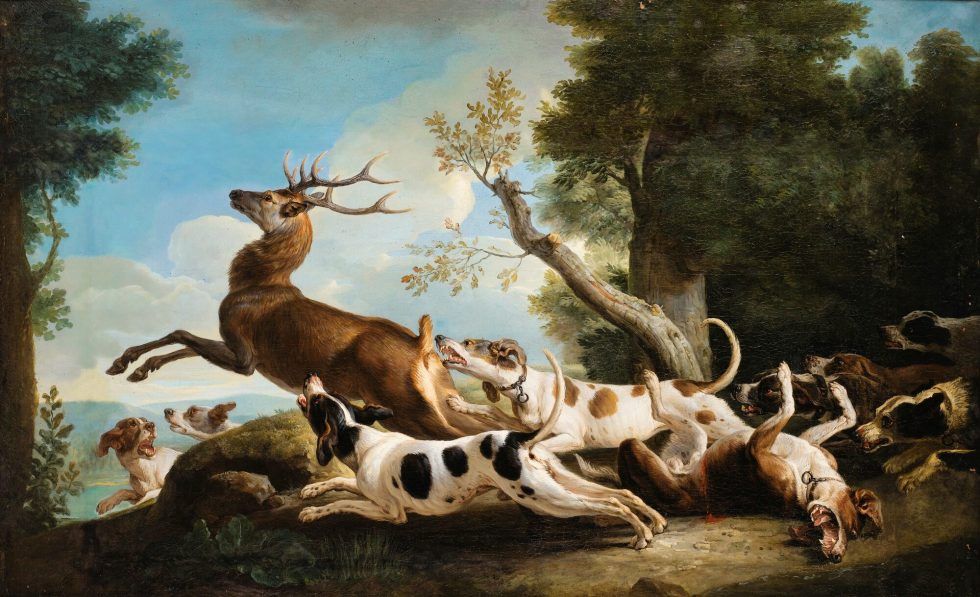
Artemis was the goddess of the moon and also the goddess of hunting. She was also one of the virgin goddesses and was enraged to find a man leering at her and her followers while they bathed. Using the water from the pool, she transformed Actaeon into a stag so that he would never reveal what he had witnessed. Panicking, Acateon fled, and unfortunately for him, his hounds began to chase him, unaware that the stag they were after was their master. Eventually, Actaeon was caught in the jaws of his hounds and ripped to shreds.
There are many different variants of the legend of Actaeon. Some myths say Actaeon boasted about being a better hunter than Artemis, and the goddess punished his hubris by sending his hounds to rip him apart. Others say that Actaeon angered Artemis by stealing a sacrifice meant for her. Whatever the reason, the myth always ended the same way, with Actaeon falling to the fangs of his hounds.
NIOBE
It’s very common for mothers to be proud of their children and brag about how wonderful they are, but one must be careful not to brag too much about them, or else they will face the wrath of the gods.
This happened to one queen of Thebes named Niobe. She had fourteen children in total, seven sons and seven daughters. Her sons were strong and brave, while her daughters were beautiful and graceful. Niobe was proud of her children, probably too proud, which caused her to have a huge ego. During a ceremony to honor the mother of Apollo and Artemis, Leto, Queen Niobe interrupted the ceremony by asking why they were worshiping Leto. Leto only had two children while she had fourteen. Truly, she was superior to Leto in that regard.
Artemis and Apollo were furious when they heard that a mortal claimed to be superior to their mother. Like anyone who loved their mother, they agreed that this arrogant display would not stand. Picking up their bows and arrows, the two siblings went to Thebes and began their ruthless revenge.
Apollo began their vengeance by slaughtering all of Niobe’s sons. Once the sons had been dealt with, Artemis finished it off by slaughtering all of Niobe’s daughters. Some earlier versions of the legend claim that there were no survivors, but some legends say Apollo and Artemis allowed one daughter and one son to live, possibly as a grim reminder for Niobe to be careful when speaking of the gods.

Niobe was grief-stricken by the loss of her children and fled from Thebes. She traveled to Mount Sipylus, where she begged Zeus to alleviate her suffering, and Zeus transformed her into a stone that wept tears constantly. Today, you can visit Mount Sipylus, and at the entrance of a national park, you can find a limestone rock cliff in the form of a weeping woman, and water pours out from the rocks. Visitors have been known to write small messages to Niobe and leave them at the rock, a nod to the ancient Greek practice of leaving messages and gifts for the gods and goddesses.

Why the Ruthlessness?
There are many more stories involving the brutal punishment of the Greek Gods, and some today may wonder, Why were the Greek gods so ruthless? It’s easy to think of the gods as ruthless by today’s standards, but looking at those who fell to their ruthless punishment, one might argue that they probably deserved it. The mortals who fell victim to the gods’ punishments were usually ones who were arrogant and had hubris, with Niobe bragging about being superior to the Gods while Actaeon leered at the naked bodies of Artemis and her followers. Prometheus, being a Titan, was a warning about being morally responsible to use knowledge and power wisely. Fire can be a great benefactor to people, but it can also be very dangerous.
To the Ancient Greeks, the gods could be cruel, but most of the time they could be benevolent as well. Along with keeping the universe in order, Zeus was known to protect foreigners and wreak havoc on anyone who broke the laws of hospitality. Artemis was the protector of children and women in childbirth, while also blessing hunters with plentiful game. Apollo taught mortals music and medicine, giving inspiration to musicians and poets, and as the god of prophecy, many traveled to his oracle to ask for advice.
With all this in mind, the lyric, “Ruthlessness is mercy upon ourselves,” can take a different meaning. The gods can be ruthless to those with arrogance and hubris, yet can also be merciful to those who show great respect to them.
I hope you enjoyed reading this post and that you learned something new about your favorite musical! Hope to see you again for the next post!
 Myths & Mischief