

Welcome back to Myths & Mischief! This is your Lovable Lord of Lore, today’s mischievous myth is about the origin of the modern vampire.
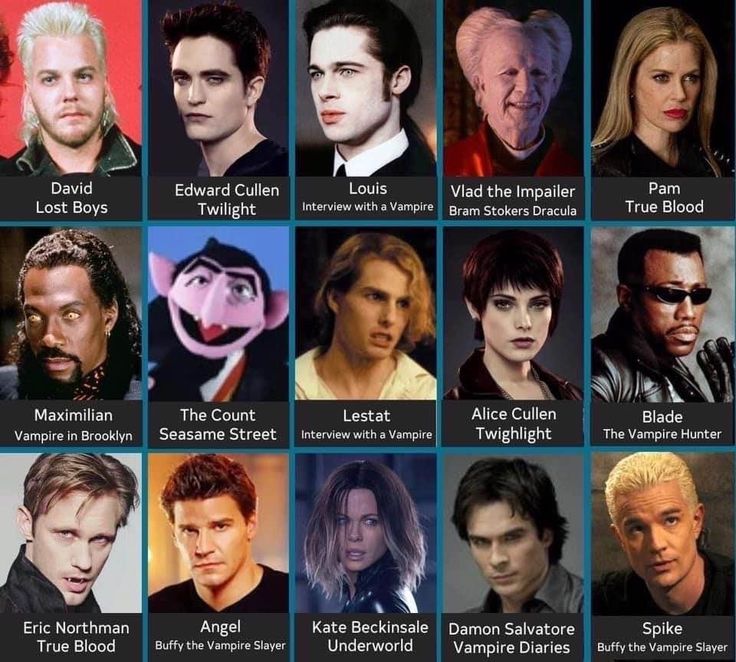
Vampires are everywhere. They are in popular movies, on breakfast cereal boxes, on kids shows as well as in literature. Even Abe Lincoln is depicted hunting them. While the image and idea associated with Vampires has changed, they are everywhere in pop culture now.
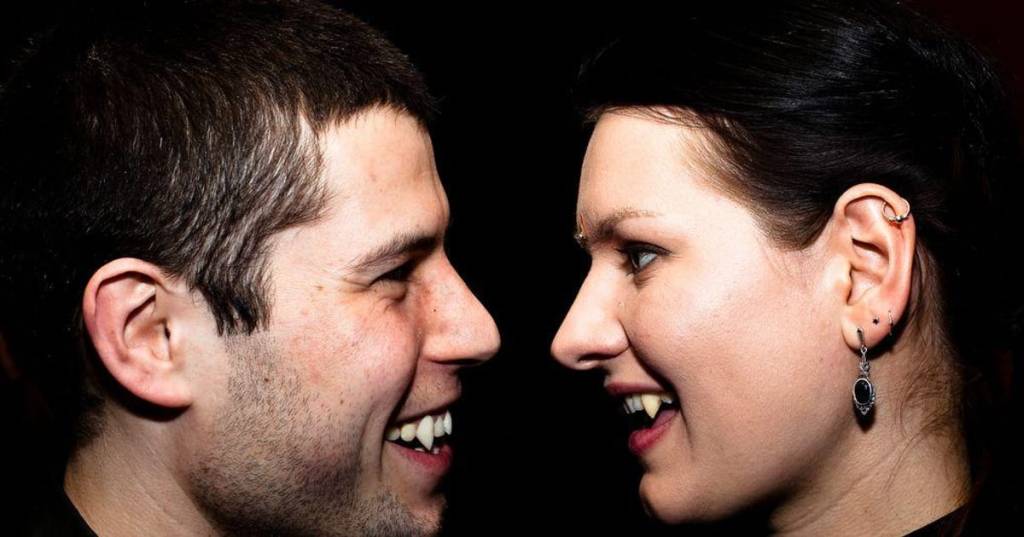
There are communities of nocturnal people that practice the vampire lifestyle and identify with or as vampires. Some go as far as to change their aesthetics, like elongating their canine teeth and shaving them to give the appearance of fangs. This lifestyle of Vampires is based more on the modern idea of what a Vampire is, which has changed over time including one origin being a real person in history.

The original myth of vampires has ancient origins including stories of demonic creatures that drank blood. These stories have a range of geographic locations including Mesopotamia, Greece and Rome. In Europe, in the 1700s, Transylvania became the genesis of the modern version of vampires. This installment included creatures rising from the grave and feeding on the living.

Bram Stoker’s Dracula, in 1897, started these myths and used the name of a real person who inspired the story, Count Dracula.
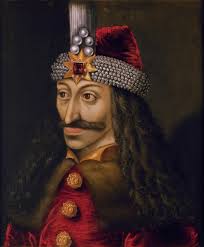
Dracula was born Voivode of Wallachia in 1431. His father, Vlad II, was inducted into the Order of the Dragon and given the name Dracul meaning dragon or demon. Vlad III, just as violent as his father became known by several names. Some called him Dracula, meaning the son of the dragon (or demon). As evidence of his violent tendencies, his favorite method of violence was to impale his victims, regardless if they were foreign invaders or domestic rivals, on stakes and leaving them suffering until they died. This provided him with the name Vlad the impaler.
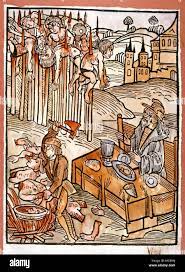
As legend has it, one afternoon, some neighbors came by to visit with Vlad III. They were horrified when they found him eating lunch in his backyard with dozens of impaled people surrounding him as he ate unfazed. This “bloodlust” may have inspired Bram Stoker, but there is no evidence that the lust for blood was him ingesting it.
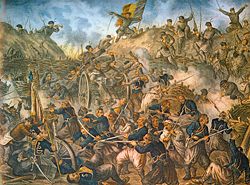
The real Dracula, or Vlad the Impaler was killed in battle in late December 1476, near present-day Romania. He may have died by the hands of his enemy, in this battle the Ottoman Empire or by his own men. His head was reportedly severed and sent to the Ottoman Sultan in Constantinople as a trophy.
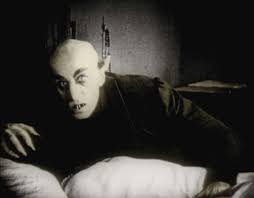
The first real person that was described as a vampire during his life was Jure Grando (1578-1656) from modern day Croatia.

Now, Count Dracula is synonymous with vampires. Vampires have a large pop culture presence and their characteristics have varied over time including protagonists and antagonist. Some are monsters while others are misunderstood romantics.
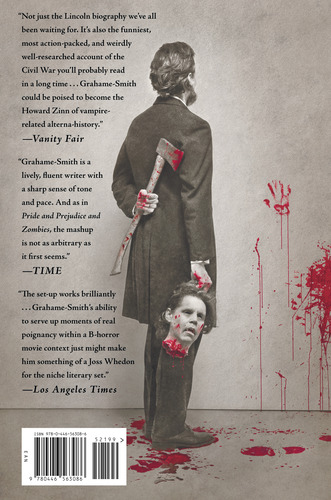
Modern vampires have some defining characteristics. These include being in an undead state, consuming blood, supernatural abilities (super speed, strength and transfiguration) and have the now traditional weaknesses such as sunlight, garlic, holy symbols and wooden stakes.
While these make for entertaining and frightful movies that capitalize from the root of the fear of death, the supernatural, or dark forces, there may be a real world explanation of Bram Stoker’s depiction of these creatures.
Decomposition in the way that pre-industrial societies may not have understood the natural process and claimed that the dead were demonic. Rabies is transmitted through biting and has neurological effects. Both could be linked to explanations of vampire characteristics.
Bram Stoker most likely combined the name of a brutal Romanian with the symptoms from a disease that was known at the time he wrote his book.
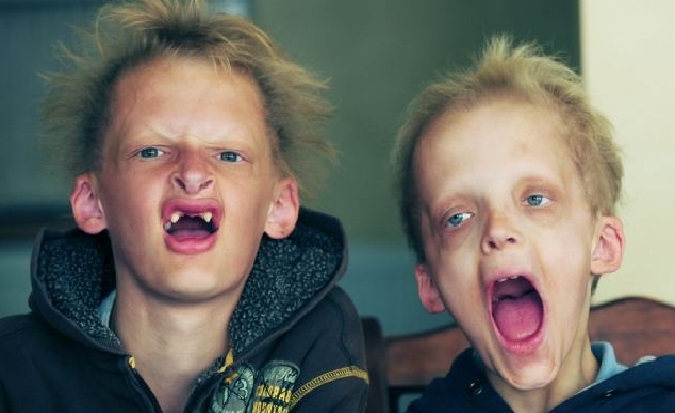
People who suffer from porphyria have a blood disorder that can cause sensitivity to light. It is called “vampyre disease.” Other than sensitivity to sunlight, it can also cause facial disfigurement. It can cause blackened skin, hair growth and cause gums to recede and give the appearance of fangs. Urine of inflicted persons is dark red, leading people to believe that they have been drinking blood. Some physicians had recommended that these patients drink blood to work as a transfusion for their blood deficits. (Imagine a person walking around at night looking for blood with what appear to be fangs, yikes.)
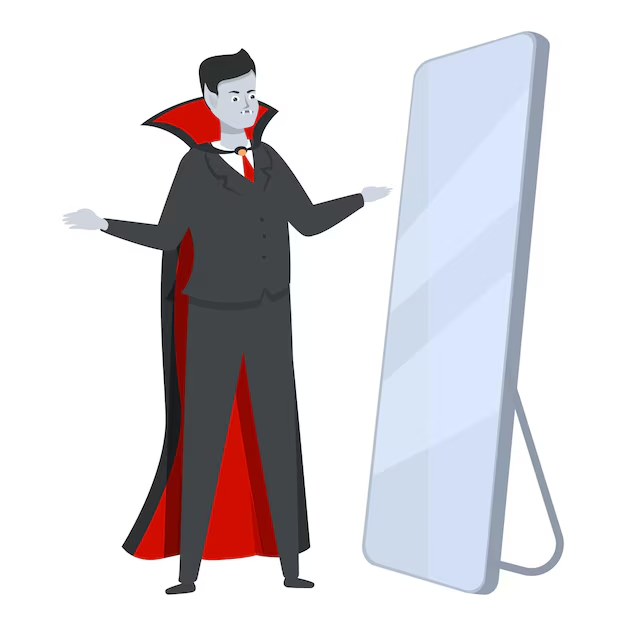
While these poor people may have been scary to behold, they explain some behaviors that would be seen as weaknesses of vampires. The sulfur content in garlic can cause a porphyria attack, which is acutely painful. They avoid mirrors since the image of themselves is grossly different than the reflection they see in the mirror so they avoid mirrors.
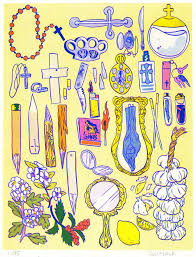
There may have been several reasons that these people were fearful of holy artifacts and crucifixes. This was prevalent during the Spanish Inquisition where “vampires” were burned at the stake. If people were hunting you in the name of God, you may want to avoid any holy artifacts as well.
Ironically, Dracula was not a vampire, but a horrible person. The real life “vampires” live a life of pain and shame. There is still no cure for this genetic disease but there has been some promising work with stem cell research.
That’s it for this week’s installment, this is your Lord of the Lore signing off.
If you liked this tale, make sure to subscribe for more so you don’t miss the next installment of mischievous myths!
Feel free to comment below.
 Myths & Mischief
You must be logged in to post a comment.