
Welcome back to Myths & Mischief! This is your Lovable Lord of Lore, today’s mischievous myth is about the the movement of one of the most powerful civilization, the Roman Empire.
Do ideas migrate with populations?

A misconception frequently held is that the Roman Empire collapsed after the sack of Rome. This is far from the case and has current implications to world affairs.
What happened to the Roman Empire?
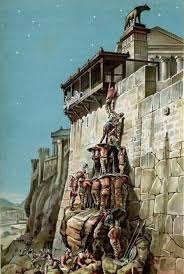
Rome as a city was founded in 753 BCE. It rose to a republic and was sacked by the Gauls (from a region in Western Europe inhabited by various Celtic tribes, broadly encompassing modern-day France, Belgium, Luxembourg, and parts of Switzerland, the Netherlands, Germany, and Northern Italy) in 390 BCE. Later the republic transformed into an empire in 27 BCE and attempted to expand the empire into Gaul in the North, Spain to the west, Africa to the South and Greece and Egypt to the East. On his deathbed, Emperor Constantine I adopted Christianity as the state religion in 380 CE.
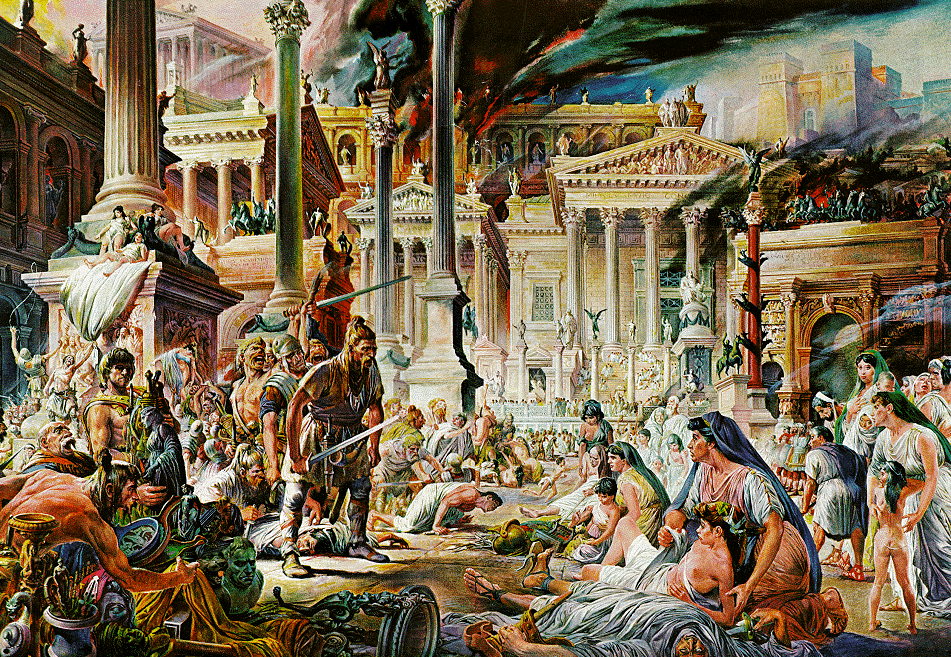
The empire was then sacked next in 410 CE by the Visigoths (the larger group of Germanic Gothic tribes, who are believed to have migrated from Scandinavia southeastward into Eastern Europe before advancing on Rome), being the first time Rome was sacked as an empire.

Before the Vandals, a Germanic people, are believed to have also originated in Scandinavia, specifically around the area of modern-day Sweden, sacked Rome in 455 CE, the empire created a new capital which was called the Byzantine Empire including moving the emperor there while leaving the church behind in Rome. The Ostrogoths (another Germanic Gothic tribe that originated north of the Black Sea but were forced out by the Huns) sacked Rome in 546 AD, followed by the Holy Roman Empire’s troops in 1527. While violence and looting were involved in each of these attacks, buildings were generally left untouched as looting and violence eventually had groups volunteering to leave eventually with the exceptions of the Gauls, who were paid to leave. Others made homes within the borders of the Roman Empire and created problems within the empire as Romans.

The Catholic Church kept expanding its influence through Europe as the one true religion before splintering into different factions. The influence of the Church was one of the only systems that provided some structure to European societies until it was replaced by manorialism, Kingdoms and nationalism.
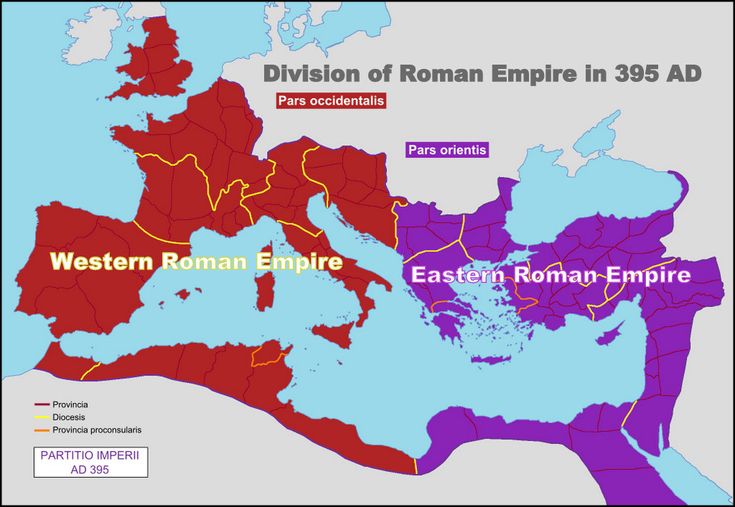
As the Romans abandoned Rome, the new Byzantine Empire stood for another thousand years, but was the victim of several crusades. The capital, Constantinople, was repeatedly under threat by the Ottomans and other groups and were able to limp along until, in 1452, Sultan Mehmed II resolved to capture Constantinople, and laid siege early the following year. On 29 May 1453, the city was captured, the last emperor, Constantine XI, died in battle, and the Byzantine Empire ended officially, but what about the other ruling families and people who were in charge?

The remnants of the Byzantine Empire and by extension the Roman Empire migrated north through Kiev to Moscow and became the Tsars, the new term for Caesar. The Russian Empire expanded and modernized under Peter the Great and Catherine the Great. Their empire grew in strength and Russian troops were ordered back to Moscow from the front lines against Germany due to the revolution of the Bolshevik Revolution in 1917.
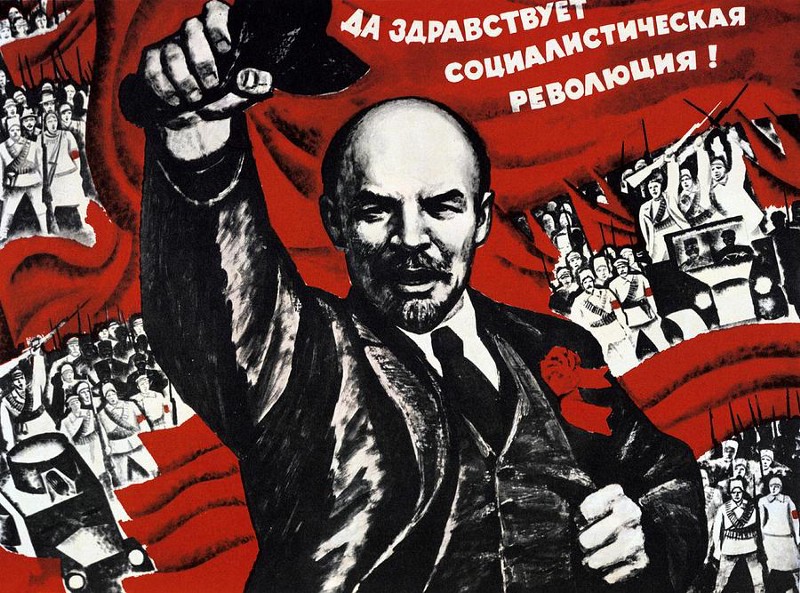
After the revolution, the Soviet Union continued to expand and grow in strength much like the Roman and Byzantine empires. Currently, Russia is attempting to expand into Ukraine and using the same messaging as the early Roman Empire. We need to attack what the Romans called the “barbarians” before they attack us. The Romans referred to all non-Roman people as barbarians. In the modern concept, the Russians claim that they are protecting people in Ukraine from being persecuted by bombing the country. While it allows rhetoric, it is a thinly veiled attempt to expand and regain power.
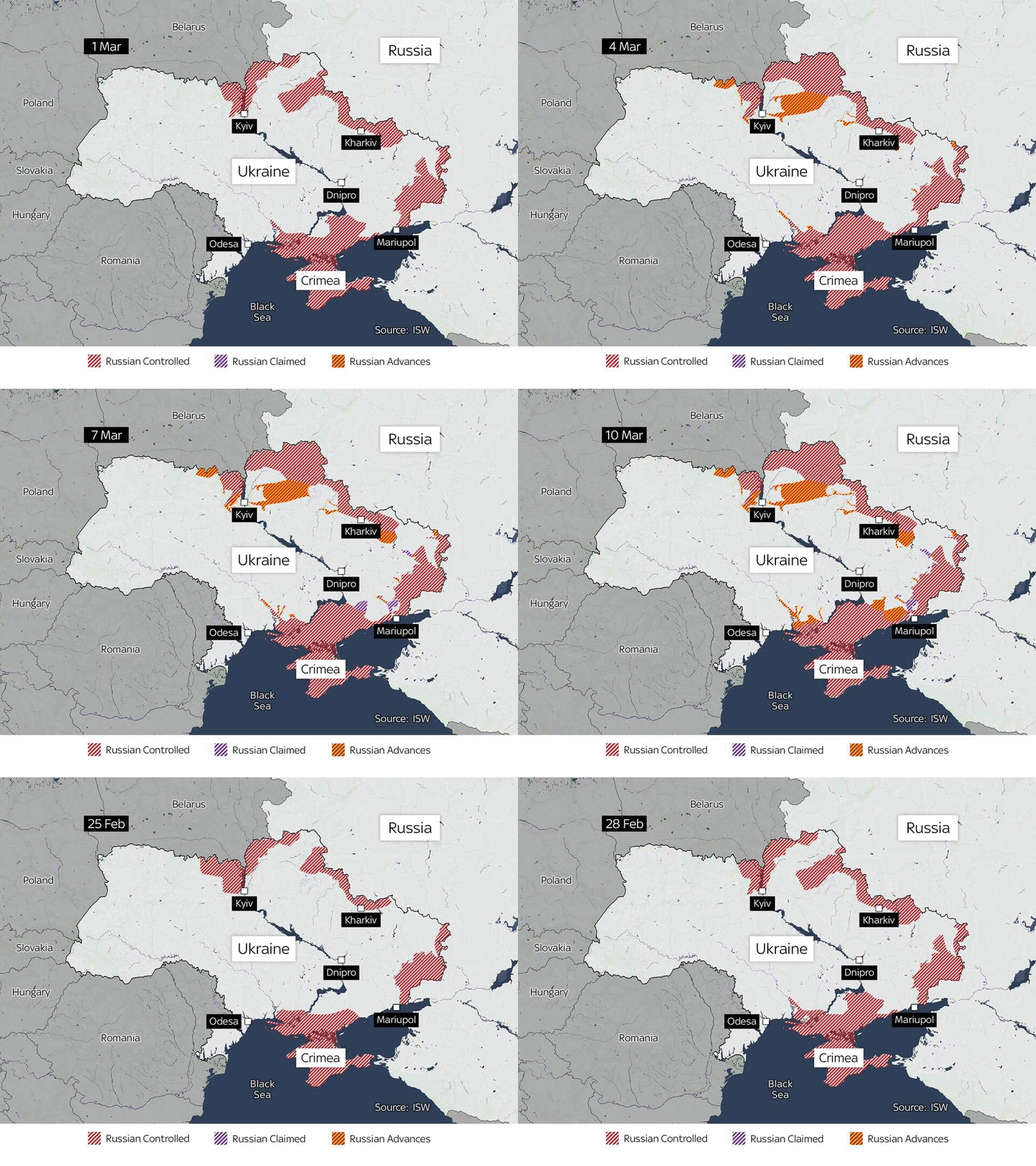
Both the expansionist views as well as the influence of the Catholic Church seem to last vestiges of the Roman Empire, before they change into a new form or finally end. Neither one of those possibilities seem imminent.
Looked at in this way, it could be argued that the battle between the Gauls and the Romans continues today, but the geography has changed:
-Romans attempt to conquer Gaul to their north (expansionism).
-Gauls (as Visigoths, Ostrogoths and Vandals) migrate east and then south and invade Rome from the east and settle within the empire.
-Romans move east to Constantinople then north through Kiev and what was the home of the Goths and Vandals to Moscow.
-Gauls (as Germans) battles Romans (as Russians) in World War 2.
-Gauls (as Germans) lose the war, in Germany and in Italy, but then joins America in the boundaries of the former Roman Empire along with former Gaul, and the Romans (as Russians) hold true to expansionism ideologies and invade Ukraine (where the Goths, and Vandals were from).
This doesn’t explain Russian aggression, but it is interesting that as civilizations change, what ideas stay the same.
That’s it for this week’s installment, this is your Lord of the Lore signing off.
If you liked this tale, make sure to subscribe for more so you don’t miss the next installment of mischievous myths!
Until next time, this is your Lovable Lord of Lore.
Feel free to comment below.
 Myths & Mischief
You must be logged in to post a comment.