
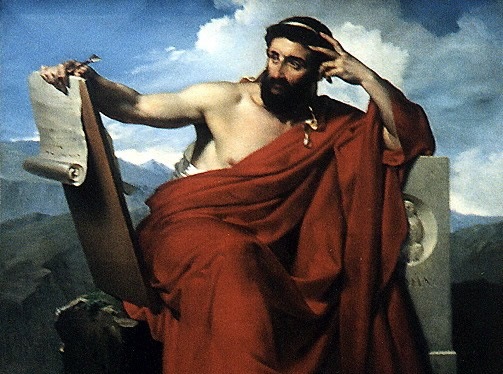
Welcome back to Myths & Mischief! This is your Lovable Lord of Lore, today’s mischievous myth is about a threat to democracy, in this case one of the original democracies.
Solon was aged and tired. He had served the people of Athens and they adored him. He had passed laws and maintained order and treated people with compassion while acting in the best interest of Athens, including laying the groundwork for Athenian democracy after the foundational work of the Cleisthenes (considered the father of democracy). During the latter part of his rule, a conflict between the wealthy and the poor had arisen, threatening to tear the city apart. He had attempted to reach a compromise. He had eliminated the debts held by the poor (including debt-slaves being freed), and established a system of laws that applied to everyone, both of which diminished the status and wealth of the rich. Neither side was happy. The wealthy were upset by their loss of status and the poor, even without debt, were still in the same situation.
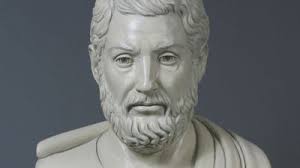
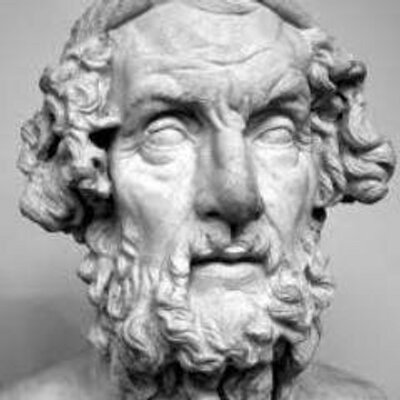
After the departure of Solon, Athens fell into three factions and anarchy. There were the people from the plain, led by Lycurgus, the people from the shore led by Megacles, and the people from the hill led by Pisistratus. Pisistratus was a former military general and a war hero. He was a con man, he had the skills to play ruler, and pretended to advocate for the poor, was generous toward his enemies, and spoke out to maintain the status quo as part of his ruse.
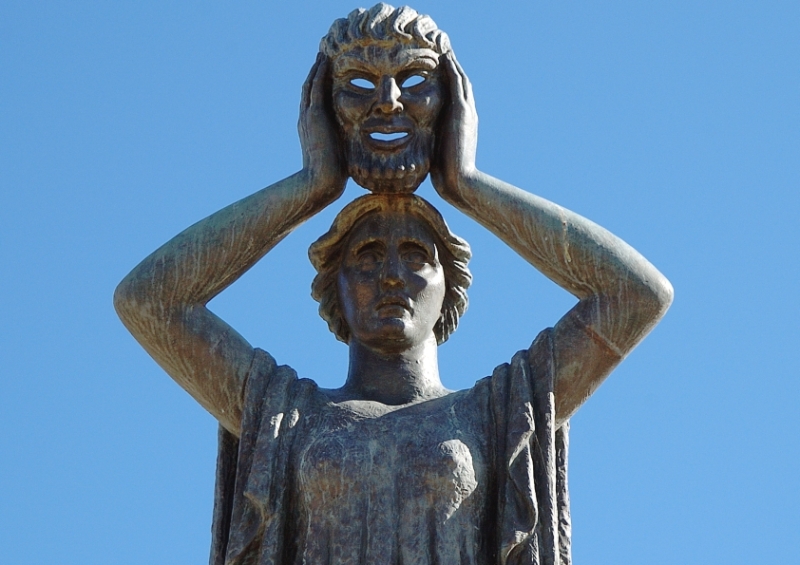
Solon, being a poet as well as a beloved politician and fond of the theater, was in the audience for a tragedy by Thespis (credited to be the first stage actor), in which many lies and falsehoods were conveyed as the retelling of history. Solon addressed Thespis concerned about the use of a false narrative. When Thespis defended the work said that there was no harm in saying things in a play, Solon was enraged, slamming down his walking stick and claiming “If we encourage such make-believe as this, we shall soon find it in our contracts and agreements.”
Some time passes until Pisistratus rides into the market after a self-inflicted wound and claims that his rivals have attempted to assassinate him in order to silence him, and he narrowly escaped. Solon sees through his deception, and claims that his poor acting dishonored Homer because the self-inflicted wound from Odysseus was intended to deceive his enemies, not his countrymen.

Solon retreated and wrote the following poem:
“you dote upon the words of a wily man.
True, your are singly each a crafty soul.
But all together make one empty fool.”
In response to the “attack” on Pisistratus, the poor became riotous in support of him, wealthy feared to oppose him. Solon spoke out against the lie, and after having no effect and less energy, he left the assembly, wise to the deception and braver than the wealthy. For his safety, people passed a decree to allow him as many guards as he wished until he had enough guards to seize the Acropolis. Megacles left the shore and fled with his family. Solon addressed the public for their stupidity and cowardice and pleaded them to not give up their liberties. “It would have been easier for them to repress the advance of tyranny and prevent its establishment, but now that it was established and fully grown it would be more glorious to destroy it.”
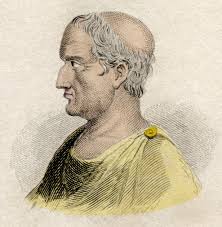
Having failed to convince the Athenians, Solon returned to his home. He put his weapons by the front door and claimed “I have done all in my power to defend my country and its laws.” Against the urging of his friends, Solon refused to flee, writing:
If now you suffer, do not blame the Powers,
For they are good, and all the fault was ours,
All the strongholds you put into his hands,
And now his slaves must do what he commands.
When Solon’s friends encouraged him to flee asked him why he had not already done so, he replied that he was empowered by his old age. Pisistratus visited Solon at his home shortly afterwards and recruited him as an advisor. Solon agreed, still wanted what was best for Athens and approved many of Pisistratus’s new acts. Solon’s previous laws were untouched. While a tyrant, Pisistratus was tried for murder, but witness did not show up in court for unknown reasons and the trial never happened. Pisistratus did pass a law that all those persons maimed in war should be maintained at public expense.
Surely this couldn’t happen again, right? Could someone demonize their adversaries, make a big deal of being victimized by courts and threats of violence, and keep people in line through propaganda. A couple of people come to mind, but as Solon pointed out:
If we suffer, do not blame the government, the system works, the fault is ours, we gave away our power, we must continue on.
If you liked this tale, make sure to subscribe for more so you don’t miss the next installment of mischievous myths!
 Myths & Mischief
You must be logged in to post a comment.