
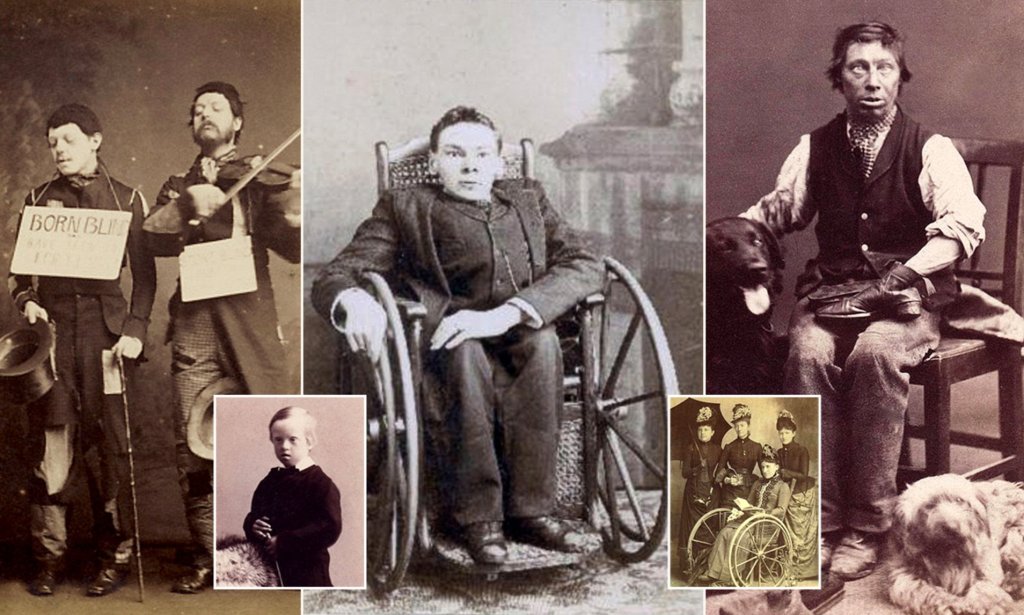
Good morning, good evening, and good night! It’s Marlo again, and Myths & Mischief has an interesting one for you today. We’ll be looking at the history of people with disabilities – specifically, of people throughout history who have been considered disabled. Note that terminology regarding disabilities is always changing, so I may use some terms that are already, or will soon be, outdated. Maybe it goes without saying, but it’s important to study disabled history. It’s not even a chapter we’re missing from our collective consciousness – it’s more like a whole book that’s still being written. People with disabilities are, after all, people, and deserve a place in our minds when we think about history.
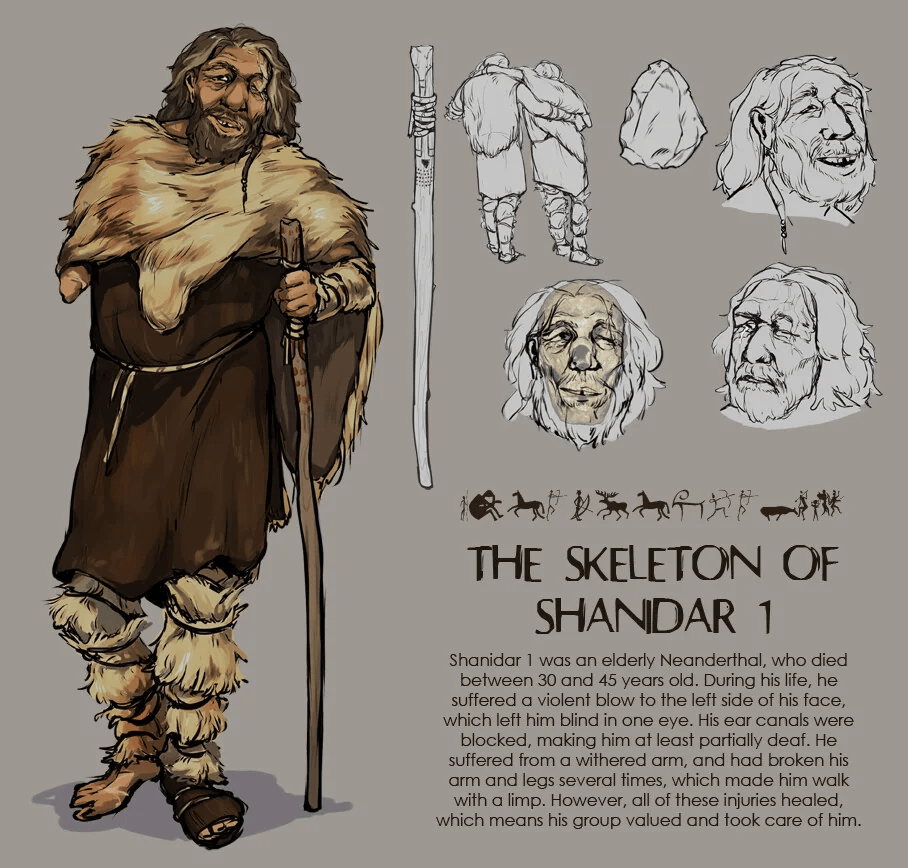
Perhaps the earliest figure we know to have been disabled was a Neanderthal who lived between 45,000 and 35,000 years ago. Found in the Shanidar Cave of Kurdistan, Iraq, this Neanderthal lived an exceptionally long life for his species, reaching his mid-40s. He has been nicknamed “Nandy”. He suffered many terrible injuries and pitfalls throughout his life: a blow to the head likely left him blind in his left eye; his arm right arm had to be amputated near the shoulder at some point; he was nearly deaf; and he sustained injuries to his legs and foot that would have made it very difficult or impossible to walk without aid. Nevertheless, all of his injuries showed signs of healing, meaning he survived with them for years. He must have had help from his community in order to survive, proving that Neanderthals possessed empathy and took care of each other.
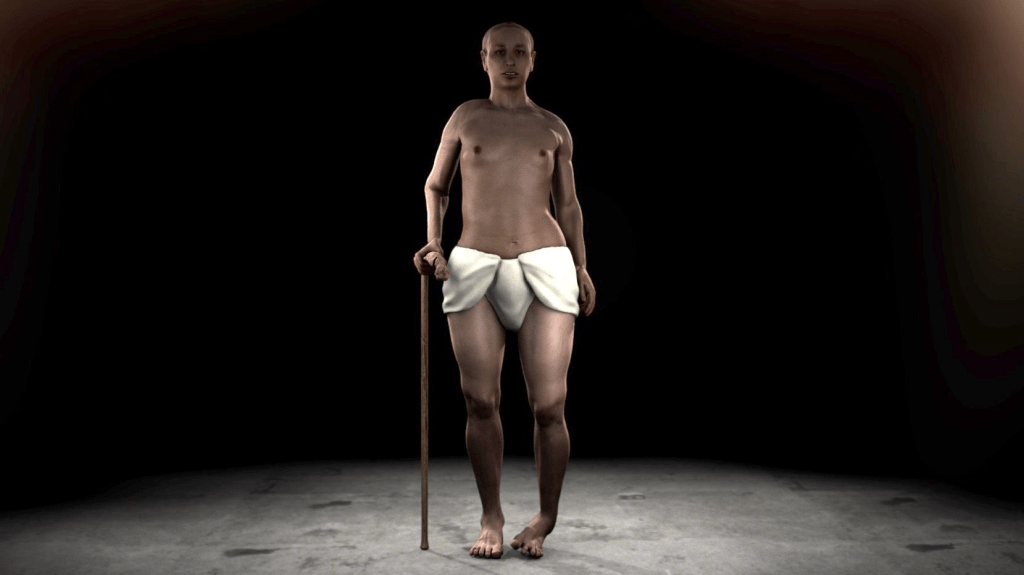
The next figure is someone you’ve probably heard of. A lot of royals throughout history, due to dynastic in-breeding, have been sickly and disabled. One example is the pharaoh Tutankhamun, or Tawotꜥonakhamona. This monarch lived in the 1300s BCE, during the late 18th Dynasty of ancient Egypt. He restored the traditional form of the ancient Egyptian religion, with its animal-headed gods, doing away with the controversial religion of Atenism. This was a monotheistic faith **introduced by his predecessor, Akhenaten, or ‘Ukha’nayātin. Notably, he had scoliosis and a cleft hard palate. His left foot had bone necrosis, meaning the bone cells were dying due to a lack of blood supply. His right foot lacked an arch, and was missing toe bones. He may have walked with a cane. Because he was a royal, he was honored and venerated before and after his death at age 18. He was buried with riches and celebrated for restoring the old faith.
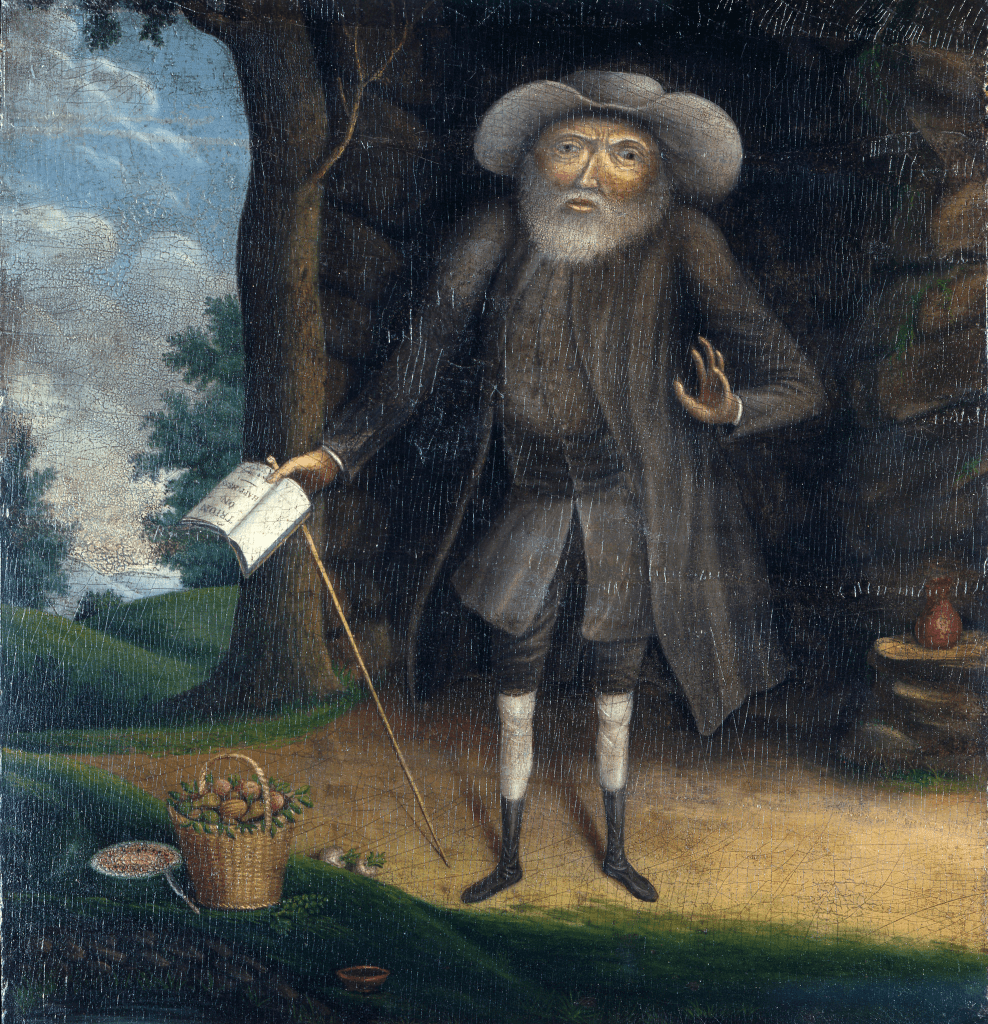
Third is Benjamin Lay. At four feet tall, he called himself “Little Benjamin”. His spine was convex, making him a “hunchback”, and he had a condition called pectus carinatum, wherein his sternum and ribs stuck out, giving him a “pigeon chest”. Born into a Quaker family in eastern England, he ran away to London to become a sailor in 1703, at 21 yeas old. At the age of 36, he to relocated to Barbados as a merchant. There, he witnessed the unbridled horrors of slavery firsthand. Quakers were abolitionist by principle, and his views made him unpopular among his White neighbors. He relocated to the Province of Pennsylvania in 1731. Benjamin decided to become a vegetarian after killing a groundhog that had ravaged his garden. He read the works of early animal rights advocate Thomas Tryon, saw the presence of God in all living things, and committed himself to being in harmony with the world. He made dramatic demonstrations of his anti-slavery beliefs, including (temporarily) kidnapping the child of enslavers to show them how it felt when families were forcibly ripped apart in the Trans-Atlantic Slave Trade. He was friends with Benjamin Franklin, and would inspire abolitionists long after his death. An award-winning play exists in his honor.
“Disability” has meant different things to different people groups throughout history. Being so different has meant different things to disabled people themselves. And this is just three out of hundreds of examples we have of people with disabilities throughout history. Having a disability is a part, or a few parts, of who someone is. It does not necessarily determine their life path, but it can certainly have an effect. Disabled people can be in any part of society, from royal palaces to prehistoric caves to the meeting-houses of revolutionaries.
- References:
- https://www.youtube.com/watch?v=t7J_oybRfuc
- https://disabilityhistory.org/people/
- https://mn.gov/mnddc/parallels/1.html
- https://www.quantumtheatre.com/past-productions/2024-2025-season/lay/
- https://www.cnn.com/2014/10/21/world/king-tut-visual-autopsy
- https://www.reddit.com/r/pleistocene/comments/1i1yidb/shanidar_1_the_neanderthal_found_within_shanidar/
 Myths & Mischief
You must be logged in to post a comment.