
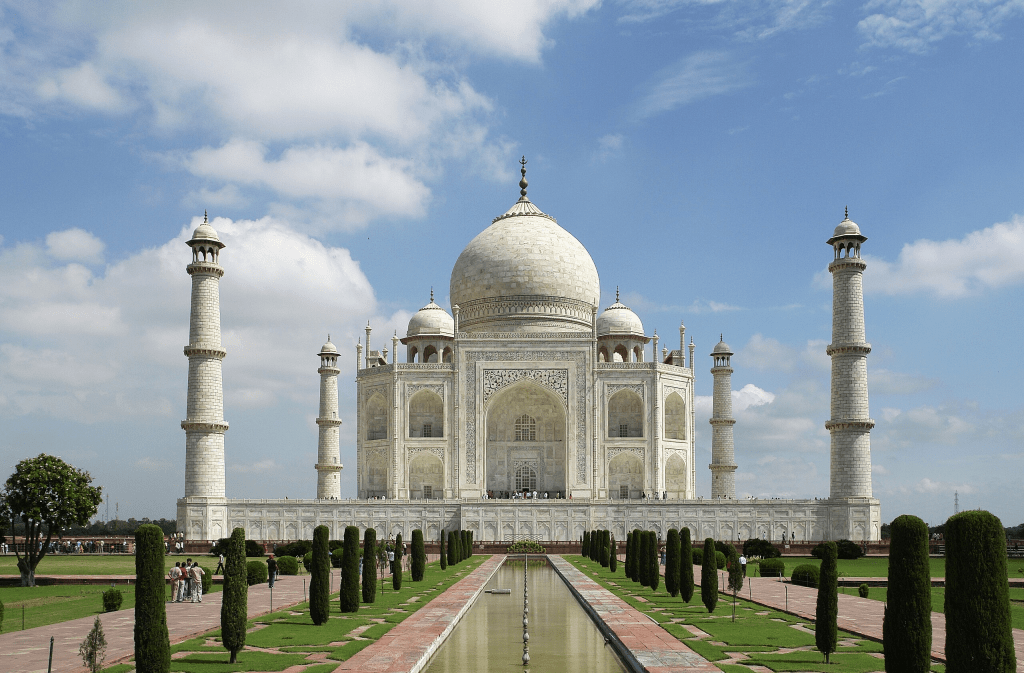
Hello! My name is Marlo from Myths & Mischief. Today, we’re going to unravel some interesting truths about one of the most important landmarks in India!
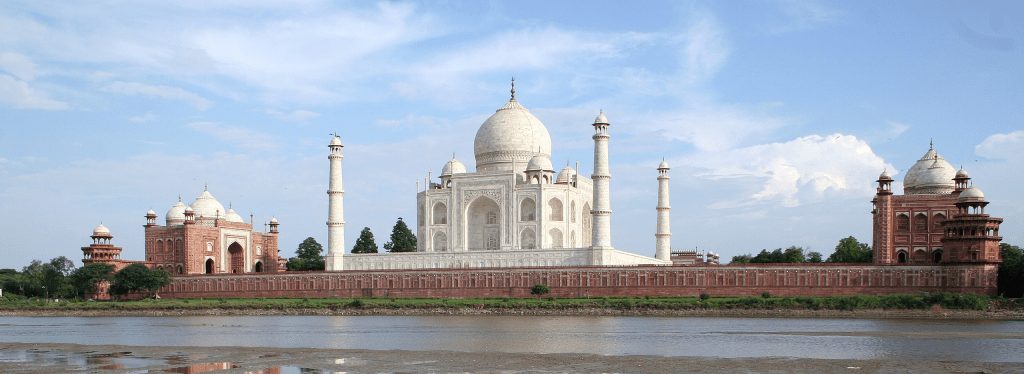
The Taj Mahal, meaning “Crown of the Palace”, is a large burial monument in the city of Agra, Uttar Pradesh, India. It was built from 1631 to 1648, commissioned by the Mughal emperor Shah Jahan. It was built as a mausoleum for Jahan’s primary wife and consort, Mumtaz Mahal, and Jahan was buried there when he died, as well. The Taj Mahal is the center of a massive complex containing a mosque, guest house, gardens, and walls. The architect was Ustad Ahmad Lahori.
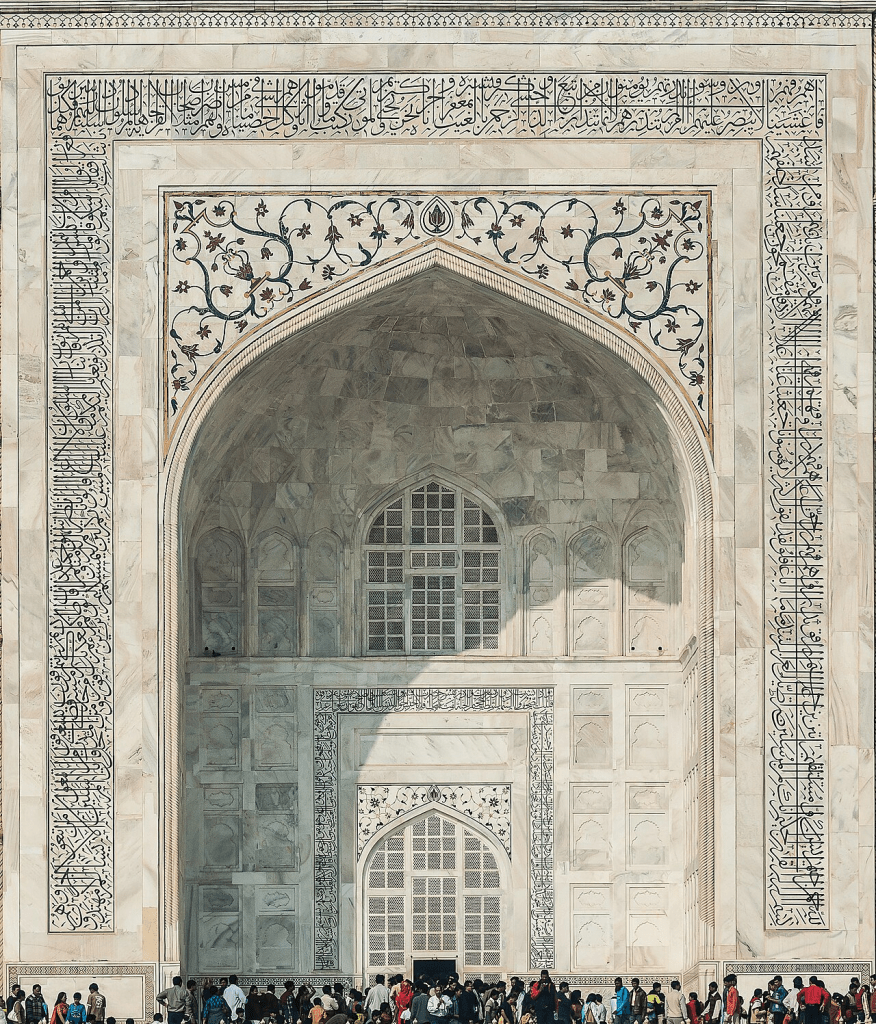
Mumtaz Mahal died in 1631 while giving birth to her 14th child. Work on her mausoleum began immediately. The complex was an immense project. About 20,000 people worked to build it (and the emperor was not one of them). Elephants brought materials from all over Asia. Such a grand, ornate construction project being built to house the dead body of one woman was not an accident. The Taj Mahal was doubtlessly commissioned by Shah Jahan out of love for his primary wife, but was also clear evidence of his empire’s wealth and power. Throughout history, most large, elaborate construction projects have been used as symbols of a leader’s power and their country’s splendor. Like the Egyptian pyramid, this mausoleum was a way for Shah Jahan to remain relevant and powerful even after he died. Symbols of power are built into the Taj Mahal. Its marble is rare and expensive; its bilateral symmetry is emblematic of a capable, balanced ruler. The complex it sits on its representative of the palace Jahan and Mahal would live in during their afterlives. Jahan’s god, Allah, represented by the sky, is reflected in pools of water. The Taj Mahal is oriented to the cardinal directions, with the sun crossing straight over it every day – making the complex a kind of axis mundi around which the whole world spins. The gardens specifically are a symbol: the Mughal emperor was often imagined as a gardener tending to a bountiful harvest.
While the Taj Mahal was certainly a labor of love (although Shah Jahan didn’t actually do any of the work to build it), it was also a lasting proclamation of power. It was a vast, expensive construction project meant to communicate the power of the Mughal Emperor for centuries to come. Each element speaks to strong rule, everlasting love, unending influence, and eternal beauty.
References:
- https://en.wikipedia.org/wiki/File:Taj_Mahal_-_Mausoleum_der_Liebe_(CC_BY-SA_4.0).webm
- https://agra.nic.in/tourist-place/the-taj-mahal/
- https://www.collinsdictionary.com/us/dictionary/english/taj-mahal
- Yann Forget / Wikimedia Commons, CC BY-SA 4.0, https://commons.wikimedia.org/w/index.php?curid=36310839
- David Castor – Own work, Public Domain, https://commons.wikimedia.org/w/index.php?curid=39969079
- Asitjain / Wikimedia Commons, CC BY-SA 3.0, https://commons.wikimedia.org/w/index.php?curid=160665039
 Myths & Mischief
You must be logged in to post a comment.