
Good morning, campers! This is a Myths & Mischief blog post, and my name is Marlo (she/her). This time, you’ll learn about William Dorsey Swann, the first self-proclaimed drag queen. Since Swann was a queer person born into slavery, this blog will cover some really heavy topics related to prejudice and oppression. But queer history like Swann’s is necessary and important to tell, especially during Pride Month. I’ll be referring to Swann as he/him, since every source I’ve found does so, but we don’t know what Swann’s exact preferences were regarding gender. Also, I will use a lot of terms like “cross-dressing” and “women’s clothes” that are based on strict gender roles, which don’t actually reflect my personal views on gender.
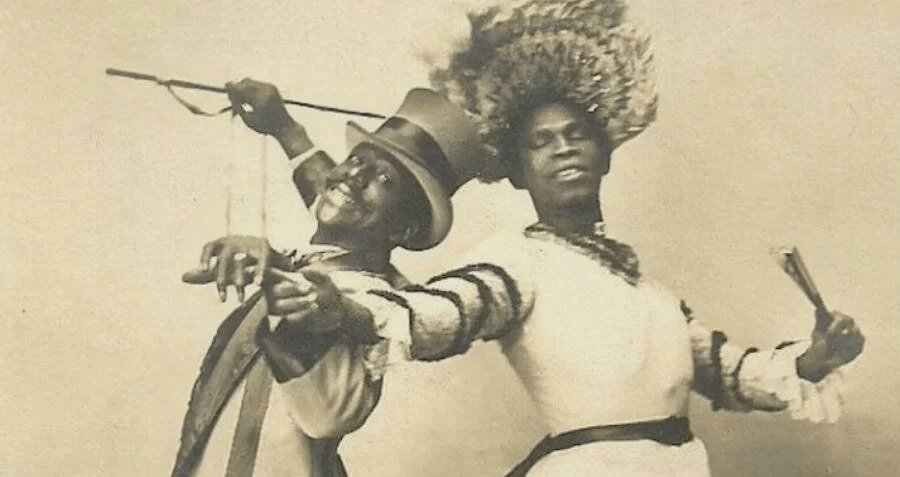
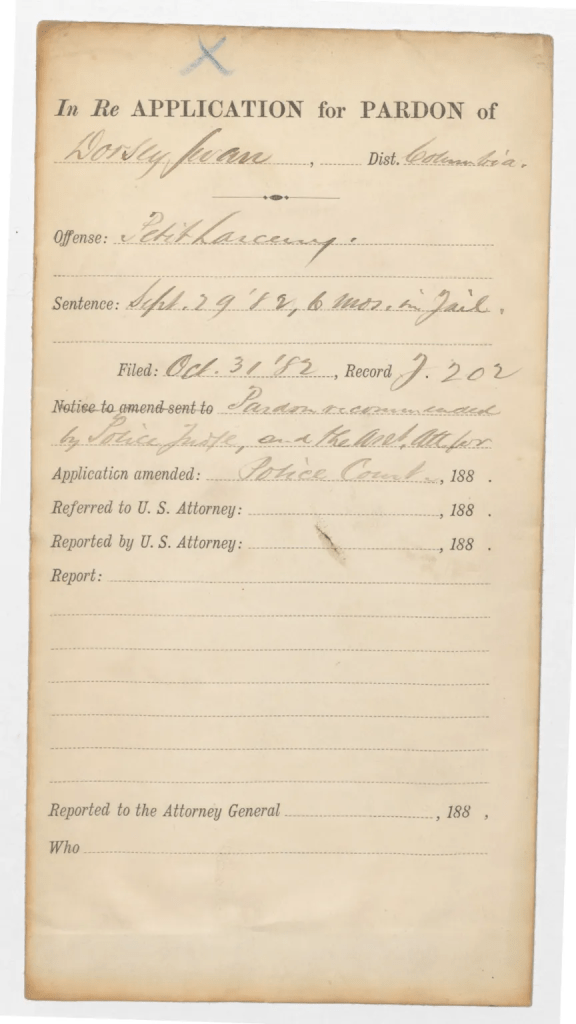
Swann was born in Hancock, Maryland in the March of 1860, the fifth of 13 children. At birth, he was enslaved. After the Civil War, his parents were able to buy a farm. He did not go to school, as he had to work as early as possible. His first job was as a hotel waiter. Swann was caught stealing books from the Washington Library Company, and an item from his employers’ home, in 1884. He pled guilty and was sentenced to six months in jail, but his former employers, the sentencing judge, and the Assistant US Attorney supported a presidential pardon for him. They argued he was “industrious”, “refined”, “gentle”, and “courteous”. Records to not actually indicate if the pardon was ever granted. But he was offered permanent employment as the college janitor. But then, things changed. He travelled to Washington D.C. in 1880. Swann began organizing drag balls in the city. Most of the participants were formerly enslaved men like Swann, gathering to dance in silk and satin dresses.
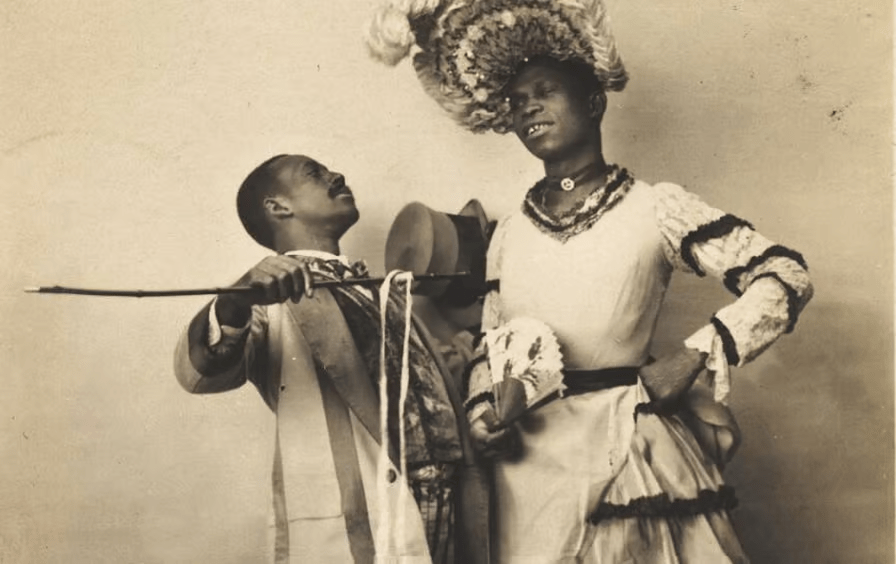
The term “drag”, as it refers to men wearing feminine clothes for the purposes of entertainment, can be traced to May 30, 1870, in an article titled “The Men in Women’s Clothes” from the British magazine The Times. As far as we can tell, Swann was the first to combine this with “queen”, most likely coining the phrase “queen of drag”, which led to our modern term “drag queen”. The actual practice of cross-dressing for entertainment is likely older than we can trace, and has ranged from socially unacceptable to perfectly “normal”. But in Swann’s case, it was not at all “socially acceptable”. The “House of Swann” was secretive, and gave out invitations at places like the YMCA, which had come to D.C. in 1852. Drag ball participants, dressed elegantly, often performed the “cakewalk”, a dance originating in the 1850s, wherein they moved about the space with a partner in a comical mockery of the formal dances of White enslavers. They would strike poses as they danced, which was an early inspiration for the voguing dance of the later Harlem ball scene. Swann’s brother, Daniel, made ball gowns and participated in the drag community as well.
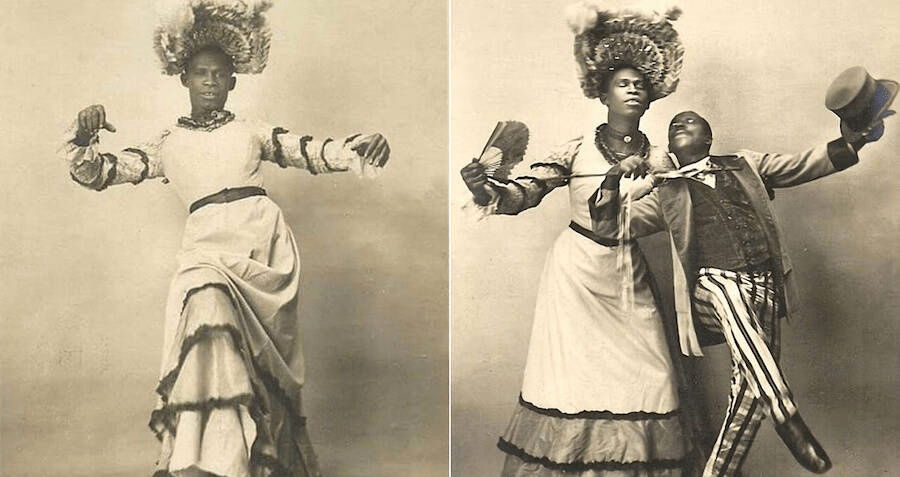
Pierce Lafayette, an attendee of the balls, was known to be intimate with Swann, and they possibly had a relationship – the earliest documented male same-sex relationship between formerly enslaved Americans. The police raided the House of Swann multiple times. He was the subject of the first documented case of an arrest for female impersonation in the United States, on April 12, 1888. According to The Washington Post, he was “arrayed in a gorgeous dress of cream-colored satin” – and I love that someone thought to document what he was wearing. Swann was, very understandably, furious, declaring to one officer: “You is no gentleman”. He resisted arrest, marking the first known case of such LGBT+ resistance. Unforgettable icon. Twelve other Black people were arrested at the raid, and as many as seventeen escaped. Icons. They risked their lives and reputations by being there, but went anyway.
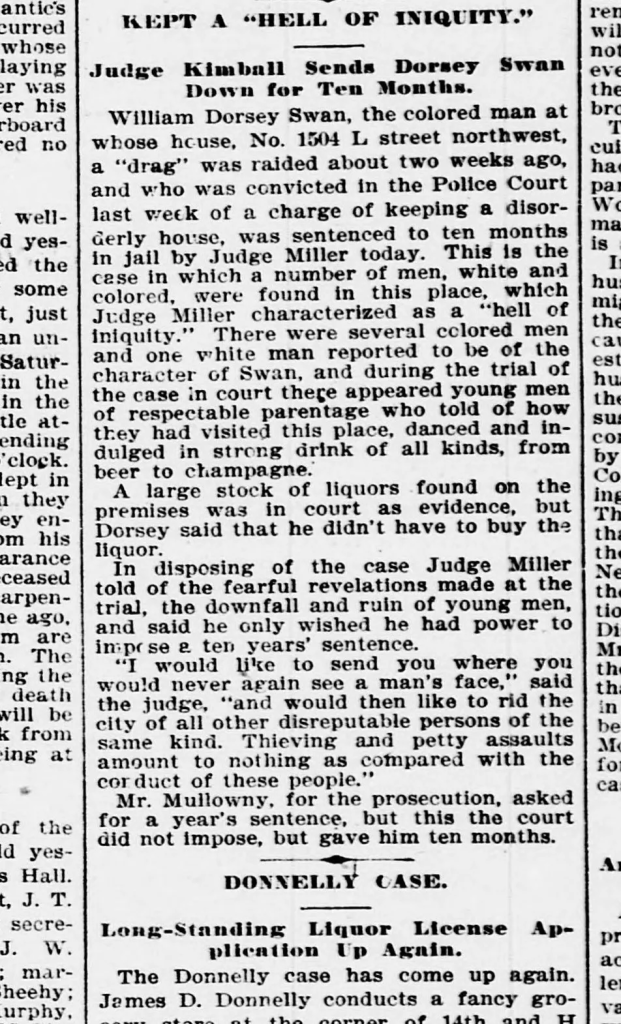
But over the years, the police took a toll nevertheless. Swann lived in fear. In 1896, he was convicted of “keeping a disorderly house”, meaning running a brothel, which was a baseless accusation. The prosecutor knew the charges were nonsense, but viewed the conviction as a punishment for Swann being an “evil example in the community”. Swann demanded a pardon from president Grover Cleveland. But this pardon was denied. When Swann was a good, so-called upstanding citizen, he was offered a pardon. But once he performed drag, got arrested for doing so, and made a demand for the rights of himself and his community, pardons were suddenly off the table for him. But Swann resisted and took legal action by demanding a pardon, about a century before the Stonewall Riots.
After prison, Swann did not organize any more balls that we know of. He died in December of 1925. He was cremated. Local officials burned his house down after his death, in order to destroy records and belongings. They wanted him to be forgotten, which is why we can’t let that happen. An author named Channing G. Joseph is currently writing a book about Swann called House of Swann: Where Slaves Became Queens.
Swann’s ideas were not widespread at the time, but society would slowly approach his mindset over decades; in my personal opinion, we still aren’t there. That being said, his true impact can never really be known. We don’t know how many people heard about him, heard or read his words. We don’t know how many kids looked up to him, or how many activists & thinkers were inspired by him. But we do know that LGBT+ activism wasn’t over when he was arrested. Powerful resistance comes in many forms, from resisting being arrested for drag performance to choosing to remember our forebearers. The Queen, William Dorsey Swann, lit a torch we must bravely carry. He exercised his rights despite, or perhaps because, he knew those in power could not stand it. He knew what the House of Swann was worth – what his Black, formerly enslaved, queer community was worth – and he fought for it.
References:
- https://www.thenation.com/article/society/drag-queen-slave-ball/#google_vignette
- https://www.academia.edu/49043126/William_Dorsey_Swann_Oxford_African_American_Studies_Center
- https://rediscovering-black-history.blogs.archives.gov/2020/06/29/william-dorsey-swann-the-queen-of-drag/
- https://www.whiting.org/content/channing-gerard-joseph#/ https://en.wiktionary.org/wiki/drag
- https://www.google.com/url?sa=i&url=https%3A%2F%2Fallthatsinteresting.com%2Fwilliam-dorsey-swann&psig=AOvVaw1VRGnPwOy1UnjXSQu4gCzl&ust=1750783582184000&source=images&cd=vfe&opi=89978449&ved=0CBcQjhxqFwoTCIjmyJ3_h44DFQAAAAAdAAAAABAg
 Myths & Mischief
You must be logged in to post a comment.