
Death Comes for us All…
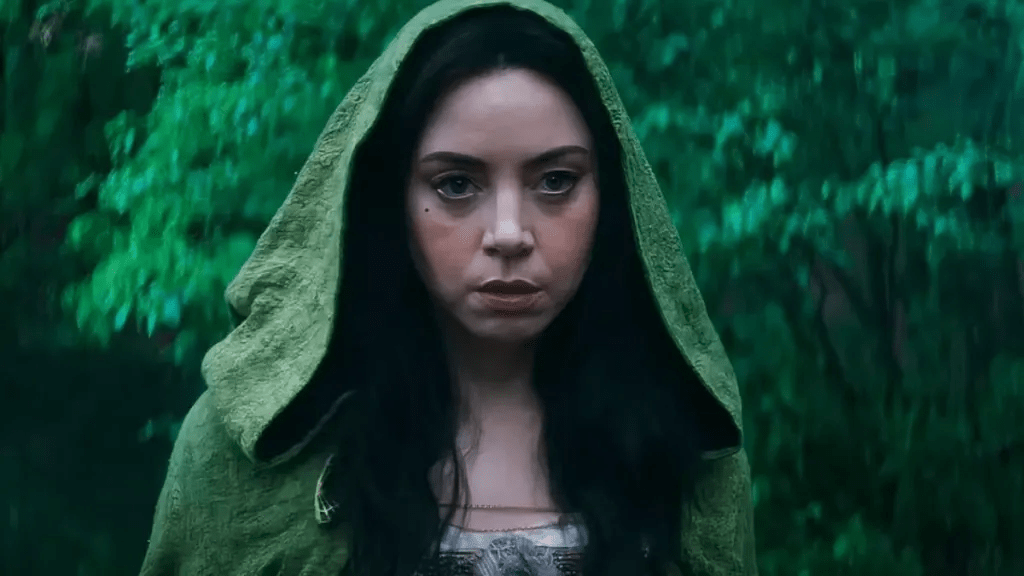
We end this series with the Death card, which represents Rio, THE GREEN WITCH.
First and foremost, I’d like to clarify that the Death card does NOT signify corporeal death; it symbolizes the end of a journey or life experience. This card is a reminder of transformation and the necessity to let go of the past in order to embrace new beginnings. Keeping this in mind will be essential as we delve into Rio’s character. (Prepare for random theories incoming!)
This card is probably the second most dramatically different from the others, after Lilia’s. In traditional artwork, Death rides a pure white horse, holding a black flag adorned with a white rose emblem. The rose represents rebirth and purification, signifying that even in endings, there is potential for renewal. The skeletal figure of Death underscores the inevitability of mortality, while the armor he wears symbolizes his invincibility; no one can escape death, nor can it be defeated.
The white horse signifies purity, and it’s a reminder that death acts as a cleansing force for all. Beneath the horse lie figures from various walks of life (a king alongside commoners), illustrating that death is the ultimate equalizer, indifferent to status or identity. This representation shows that mortality transcends societal divisions, reminding us that everyone, regardless of their position, ultimately shares the same fate.
Death’s Artifacts
The Marvel rendition of Death is holding a knife in one hand, which resembles the one Rio brought with her, and a black heart in the other. Knives in art often carry dual meanings: while they can represent physical harm, they also suggest mental clarity; cutting through illusions and creating a necessary separation for transformation. In witchcraft, specific knives serve particular purposes: the athame, a double-edged ritual knife, is used to delineate boundaries and create sacred symbols, while the boline, or sickle, is primarily for harvesting herbs. Notably, Rio’s knife appears curved, resembling a sickle, further supporting the notion that she is a harvester of souls.

In her other hand, Rio holds a black heart, crafted from flower parts, which may reference her quote to Agatha in the first episode: “I have a heart. It’s black, and it beats for you.” Based on this, there has been much speculation about who Rio really is. The translation of her name to “river of life” adds another layer of mystery. How can a character with a black heart be linked to life? This contradiction might connect to her role as the Green Witch, who embodies earth magic associated with stability, strength, and growth. Many cultures have myths and symbols representing the “river of life.” In ancient Egypt, the River Nile was viewed as the lifeblood of the land. In Hinduism, the sacred Ganges is revered as a purifying gift. And, of course, we have the rivers from Greek mythology leading to the Underworld.
Based on the dynamics between Rio and Agatha, their deep love must have existed before Nicholas’s birth. Despite the inevitability of Nicholas’s death, Rio did everything she could to give Agatha time with him. However, when the moment came to take Nicholas, Agatha’s loss led her to flee from Rio, attempting to escape death. This rejection hurt Rio, who felt it was unfair, given her efforts to allow them time together. Ultimately, Rio was fulfilling her role as Death, but this duty resulted in Agatha’s resentment. Rio broke the laws of Death for Agatha, which is why she mentions that Agatha received special treatment. By crafting an artificially created soul, Agatha challenged this sacred cycle.
In various cultures, the Earth Mother archetype is revered for her role in nurturing and safeguarding the land by creating life. This brings up speculation about Rio’s ties to other characters in the Marvel universe who have wielded earth magic throughout history. One figure that comes to mind is Gaea, the primordial Earth goddess, who represents the essence of the planet. She is known for her deep connection to nature and her protective role over all living beings.
Paint the Roses

In traditional artwork, Death carries a solitary white rose on a black flag, representing purity, completion, and the tranquility of completing a journey. This rose symbolizes the inevitability of finality and reflects the harmony that can arise from endings. Historically, roses have been used as symbols of protection, woven into spells and amulets to ward off evil spirits during the Medieval era. In this sense, Death, often perceived negatively, is part of a protective cycle that restores balance in life.
On the other hand, the red roses adorning Marvel’s rendition of Death encapsulate themes of passion, beauty, and duality. Their placement beside her signifies the contrast between beginnings and endings, joy and sorrow. The roses are almost exactly like those found in the Magician card, reinforcing the idea that every ending is also a new beginning.
The Magician card represents fresh opportunities and the promise of transformation. He symbolizes the connection between the spiritual and material realms, stretching one arm toward the cosmos and the other pointing toward the earth. His white robe for purity and red cloak for worldly knowledge exemplify the dual nature of his existence. The four symbols of the Tarot suits on his table represent the elements of water, earth, air, and fire, while the infinity symbol above his head indicates limitless potential. The serpent encircling his waist emphasizes the cyclical nature of existence, echoing the theme of rebirth. Like the Magician, Rio possesses the power to shape her reality, using earth magic for growth and stability. This interplay could reflect Rio’s struggle to balance her darker impulses with her desire to protect and nurture those she cares for.

When we first met Agent Vidal, Agatha asked Rio, “What are you doing here?” to which Rio coyly replied, “My job…” Now we realize Rio’s actual job is to reap souls, being Death. So, who was she there to reap? The death mentioned in the “case” happened nearly two years ago, and the car accident referenced occurred a year before that. As we know, nobody in Westview had died recently. Or had they? There are discrepancies suggesting Rio had been present since the very beginning.
One piece of evidence is that Rio showed up in Westview to fulfill her role, yet no official death announcement was made. Also, remember that random Mercedes Mrs. Hart drives around? It could belong to her since her husband passed away, opening the door to life insurance claims. But then there’s this quote from the Book of Revelation that comes to mind: “I looked, and behold, a pale horse! And its rider’s name was Death.” Honestly, why would Sharon be lurking in the alley behind Agatha’s house? And we never actually see what happens with Rio when Agatha starts pursuing Billy.
Dress
Most traditionally, Death wears a suit of armor that represents immortality and strength. The armor serves as a protective shell, embodying the idea that death cannot be vanquished or avoided. Its dark color reflects mourning and the unknown, creating a somber contrast to the purity represented by the white horse. The armored figure can also represent the notion of transformation; while death marks an end, it simultaneously paves the way for new beginnings.
Interestingly, in Marvel’s interpretation, Death appears to be wearing a black wedding dress. The flowing lines of the dress, along with the veil-like object on her head, evoke a sense of elegance. But there are tears in the dress, showing her bones underneath. This raises intriguing questions about Rio and Agatha’s relationship. Is there some representation between Agatha as an immortal life and Rio as the messenger of death? It’s also very reminiscent of this shot from the finale.

Thank you to everyone who stuck with this exploration from start to finish! Agatha was one of the best Marvel shows I’ve seen in a while. Can’t wait for Vision Quest!
– The Lore Monger –
 Myths & Mischief
You must be logged in to post a comment.